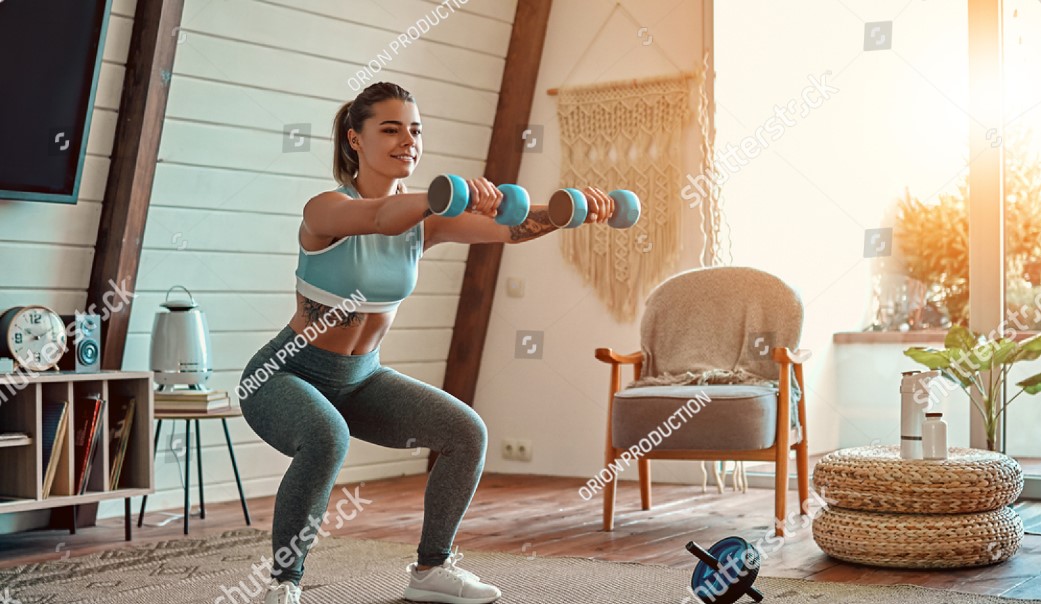
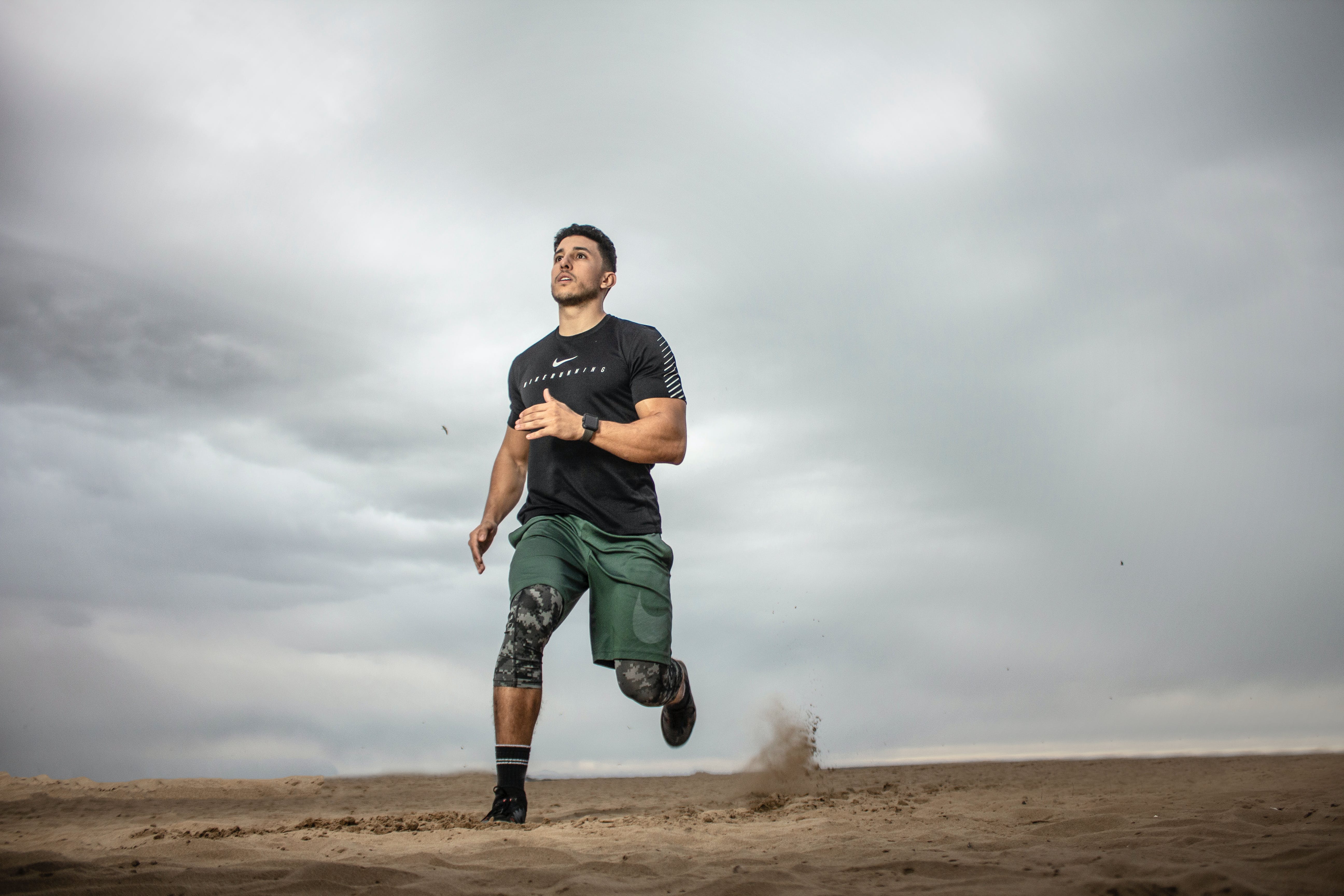
If you've been cocooning due to winter's cold, who can blame you? But a lack of activity isn't good for body or mind during any season. And whether you're deep in the grip of winter or fortunate to be basking in signs of spring, today is a good day to start exercising. If you're not sure where to start — or why you should — we've shared tips and answers below.
Moving more: What's in it for all of us?
We're all supposed to strengthen our muscles at least twice a week and get a total at least 150 minutes of weekly aerobic activity (the kind that gets your heart and lungs working). But fewer than 18% of U.S. adults meet those weekly recommendations, according to the CDC.
How can choosing to become more active help? A brighter mood is one benefit: physical activity helps ease depression and anxiety, for example. And being sufficiently active — whether in short or longer chunks of time — also lowers your risk for health problems like
heart disease
stroke
diabetes
cancer
brain shrinkage
muscle loss
weight gain
poor posture
poor balance
back pain
and even premature death.
What are your exercise obstacles?
Even when we understand these benefits, a range of obstacles may keep us on the couch.
Don't like the cold? Have trouble standing, walking, or moving around easily? Just don't like exercise? Don't let obstacles like these stop you anymore. Try some workarounds.
If it's cold outside: It's generally safe to exercise when the mercury is above 32° F and the ground is dry. The right gear for cold doesn't need to be fancy. A warm jacket, a hat, gloves, heavy socks, and nonslip shoes are a great start. Layers of athletic clothing that wick away moisture while keeping you warm can help, too. Consider going for a brisk walk or hike, taking part in an orienteering event, or working out with battle ropes ($25 and up) that you attach to a tree.
If you have mobility issues: Most workouts can be modified. For example, it might be easier to do an aerobics or weights workout in a pool, where buoyancy makes it easier to move and there's little fear of falling. Or try a seated workout at home, such as chair yoga, tai chi, Pilates, or strength training. You'll find an endless array of free seated workout videos on YouTube, but look for those created by a reliable source such as Silver Sneakers, or a physical therapist, certified personal trainer, or certified exercise instructor. Another option is an adaptive sports program in your community, such as adaptive basketball.
Comments (2)
Only registered users can comment on this post
ensar
March 20, 2025 at 7:38 PM
Wow...first comment! :)
damir
May 10, 2025 at 8:15 PM
I agree...